
In the modern digital era, passwords have become the gatekeepers of our personal and professional lives. Nearly every online service from email and banking to social media and cloud storage—relies on passwords to protect sensitive information. As technology evolves, so do cyber threats. Hackers now have access to advanced tools, artificial intelligence, and massive databases of stolen credentials, making weak password security a major risk.
Cybersecurity experts consistently report that a significant percentage of data breaches occur because of weak, reused, or stolen passwords. With billions of accounts accessible online and cybercrime becoming increasingly sophisticated, password security has become more important than ever before.
This article explores the growing importance of password security, the risks associated with poor password habits, the financial and personal impact of data breaches, and the best practices individuals and organizations can adopt to stay safe in today’s digital landscape.
Table of Contents
The Growing Importance of Password Security
Passwords remain the most widely used method of authentication across the internet. Although new technologies like biometrics and passkeys are emerging, passwords still play a central role in securing digital accounts.
A strong password protects:
- Personal data
- Financial information
- Business records
- Online identities
- Intellectual property
Without proper password protection, attackers can gain access to sensitive systems and exploit data for financial gain, identity theft, or cyber espionage.
Many users underestimate the importance of strong passwords, but even a single compromised password can provide attackers with entry into multiple systems.
Current Password Security Landscape
To understand why password security matters so much today, it is important to examine the current trends in cybercrime and password usage.
Key Password Security Statistics
| Security Metric | Data |
| Passwords leaked online globally | 19+ billion |
| Percentage of unique passwords in leaks | Around 6% |
| Users who reuse passwords across accounts | About 50% |
| Average passwords per internet user | 150–170 |
| Data breaches caused by stolen credentials | Over 80% |
These numbers highlight a major cybersecurity problem. Many individuals rely on simple passwords or reuse the same password across multiple accounts, which significantly increases the risk of compromise.
Why Password Security Is More Important Today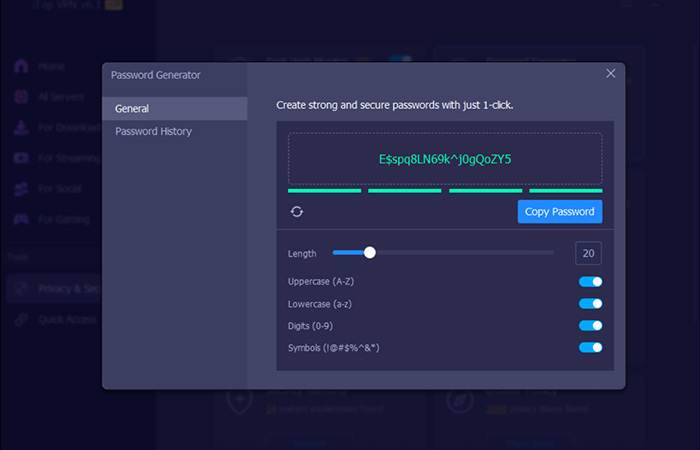
There are several factors contributing to the growing importance of password protection.
1. Increasing Number of Data Breaches
Data breaches have become increasingly common in recent years. When organizations experience security incidents, attackers often steal databases containing usernames, emails, and encrypted or plain-text passwords.
Once these databases are leaked or sold on underground marketplaces, hackers can attempt to access other accounts belonging to the same users.
Global Data Breach Growth
| Year | Estimated Passwords Exposed |
| 2021 | 8 billion |
| 2023 | 15 billion |
| 2024–2025 | 19+ billion |
As more online services collect user data, the scale of breaches continues to grow, making strong password security essential.
2. AI-Powered Cyber Attacks
Artificial intelligence has transformed the way hackers attempt to break passwords. Modern password-cracking tools use machine learning algorithms to analyze patterns from previously leaked passwords.
These tools can:
- Predict common password combinations
- Test billions of password guesses rapidly
- Identify patterns based on user behavior
- Generate targeted password guesses
Because of these capabilities, short or predictable passwords can often be cracked within seconds.
3. Rise of Credential Stuffing Attacks
Credential stuffing is a cyberattack technique where hackers use stolen usernames and passwords from one website to attempt logins on many other platforms.
The process typically works as follows:
- Hackers obtain a database of leaked credentials.
- Automated bots attempt these credentials across multiple websites.
- If a user has reused the same password elsewhere, the attacker gains access.
Since many users reuse passwords for convenience, credential stuffing attacks are highly effective.
4. Sophisticated Phishing Techniques
Phishing attacks remain one of the most common methods used to steal passwords. Attackers create fake websites, emails, or messages that appear legitimate in order to trick users into revealing their login credentials.
Modern phishing techniques may include:
- Fake banking notifications
- Imitation login pages
- Urgent security alerts
- Customer support impersonation
- AI-generated emails
Even experienced internet users can fall victim to sophisticated phishing campaigns.
Common Password Security Mistakes
Despite growing awareness of cybersecurity threats, many people continue to use unsafe password practices.
Most Frequently Used Passwords
| Rank | Common Password |
| 1 | 123456 |
| 2 | password |
| 3 | 12345678 |
| 4 | admin |
| 5 | qwerty |
These passwords appear repeatedly in breached databases and are among the first combinations hackers attempt during password-cracking attacks.
Major Password Mistakes
Many users unintentionally weaken their account security through poor habits.
Common mistakes include:
- Using the same password across multiple accounts
- Creating passwords based on personal information
- Choosing short passwords
- Storing passwords in plain text files
- Sharing passwords with others
- Rarely updating old passwords
Each of these practices increases vulnerability to cyberattacks.
Weak vs Strong Password Comparison
| Feature | Weak Password | Strong Password |
| Length | 6–8 characters | 12–18 characters |
| Structure | Simple words or numbers | Random mix of characters |
| Predictability | Includes personal details | Completely random |
| Reuse | Same password everywhere | Unique per account |
| Storage | Written down or saved openly | Secured in password manager |
Strong passwords significantly reduce the chances of unauthorized access.
Financial Impact of Weak Passwords
Weak passwords are not just a personal risk; they can cause major financial losses for organizations.
Cybersecurity reports estimate that the average cost of a data breach exceeds $4 million globally.
Major Costs of Data Breaches
| Cost Category | Impact |
| Incident investigation | Security analysis and forensic work |
| System recovery | Restoring infrastructure and services |
| Legal penalties | Regulatory compliance fines |
| Customer compensation | Loss reimbursement |
| Reputation damage | Loss of customer trust |
For companies, a single compromised employee password can expose entire networks.
Best Practices for Password Security
Improving password security does not require advanced technical knowledge. Simple habits can significantly improve digital safety.
1. Use Long and Complex Passwords
Long passwords are harder to crack. Experts recommend using at least 12 to 16 characters.
Strong passwords typically include:
- Uppercase letters
- Lowercase letters
- Numbers
- Special characters
Alternatively, users can create long passphrases made up of random words.
Example secure passphrase:
BlueRiverCoffeeNight42!
2. Use Unique Passwords for Every Account
Each online service should have a different password. This prevents attackers from gaining access to multiple accounts if one password is compromised.
3. Enable Multi-Factor Authentication
Multi-factor authentication adds an additional layer of protection beyond the password.
Common MFA methods include:
- SMS verification codes
- Authentication apps
- Hardware security keys
- Biometric verification
Even if attackers obtain the password, they cannot log in without the additional verification factor.
4. Use a Password Manager
Password managers help users generate and store complex passwords securely.
Benefits of Password Managers
- Automatically generate strong passwords
- Store credentials in encrypted vaults
- Autofill login information securely
- Synchronize passwords across devices
Password Manager Price Comparison
| Password Manager | Free Plan | Paid Plan Price | Features |
| Bitwarden | Yes | $1 per month | Open-source encryption |
| LastPass | Yes | $3 per month | Password vault and autofill |
| 1Password | No | $2.99 per month | Advanced encryption security |
| Dashlane | Yes | $4.99 per month | Dark web monitoring |
Using a password manager makes it easier to maintain unique passwords across multiple accounts.
Future of Password Security
While passwords remain the dominant authentication method today, the future of digital security is evolving.
Several new technologies aim to replace or strengthen traditional password systems.
Emerging Authentication Technologies
- Passkeys
- Fingerprint authentication
- Facial recognition
- Hardware security keys
- Behavioral authentication
Despite these innovations, passwords will likely remain a core component of cybersecurity for the foreseeable future.
Password Security Checklist
Individuals can improve their online security by following these essential practices:
- Create passwords with at least 12 characters
- Avoid using personal information in passwords
- Use a different password for every account
- Enable multi-factor authentication whenever possible
- Use a reputable password manager
- Regularly update passwords for sensitive accounts
- Stay alert for phishing attempts
Following these practices significantly reduces the risk of account compromise.
Conclusion
Password security has become one of the most important aspects of online safety in the digital age. As cybercriminals gain access to more powerful tools and billions of leaked credentials circulate on the internet, weak passwords create serious vulnerabilities.
From personal accounts to corporate systems, compromised passwords can lead to identity theft, financial losses, and large-scale data breaches. However, simple steps such as using strong passwords, enabling multi-factor authentication, avoiding password reuse, and using password managers can dramatically improve security.
In a world where digital identities are closely connected to everyday life, protecting passwords is no longer optional. Strong password practices are essential for safeguarding personal data, maintaining privacy, and ensuring long-term cybersecurity.